

BugSense AI
Intelligent Bug Analysis, Powered by AI.
Automate bug triaging, eliminate duplicates, and accelerate development. From raw bug data to actionable insights—in minutes, not hours.
Product Overview
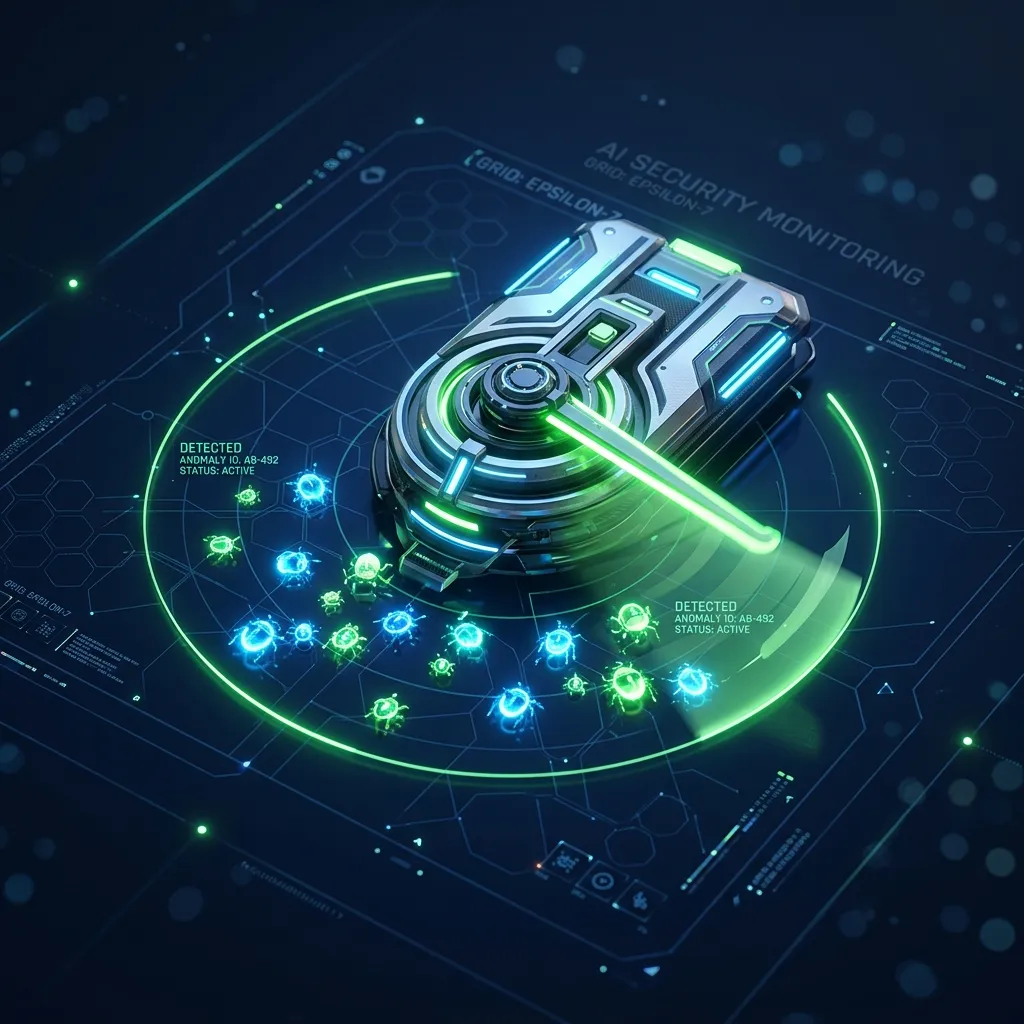
BugSense AI is an advanced AI-powered bug analysis platform designed to automate the entire bug triaging lifecycle. It processes multiple inputs such as logs, screenshots, bug descriptions, and documents, correlates them intelligently, and generates structured, actionable insights for development teams.
End-to-End Workflow
Data Ingestion
Upload logs, screenshots, and descriptions for AI processing.
AI Correlation
Simultaneous processing of all inputs to understand context.
Smart Assignment
Automated classification and routing to the right developer.
Core Capabilities
Multi-Input Processing
Accepts screenshots, logs, PDFs, and Excel simultaneously for deeper insights.
Semantic Duplicate Detection
Identifies similar issues using advanced semantic understanding to prevent redundancy.
Context-Aware Detection
Understands relationships between logs and visual evidence for accurate diagnosis.
Requirement Mapping
Links bugs with related requirements to ensure 100% traceability.
Why BugSense AI?
Faster Release
Speeds up triaging and development cycles significantly.
High Accuracy
Contextual understanding ensures precise bug classification.
Scalable Solution
Handles large-scale testing without increasing team size.
Technology Stack
- ● AI Engine: OpenAI API
- ● Processing: Python & Pandas
- ● UI: Streamlit
- ● Analysis: OpenCV & OCR
- ● DevOps: Azure DevOps API
Business Value
- Reduced Manual Effort
- Improved Product Quality
- Faster Release Cycles
- Better QA-Dev Collaboration
Workflow Transformation
Legacy State
- ● Manual bug triaging (hours of work)
- ● Redundant duplicate issues
- ● Inconsistent bug classification
- ● Disconnected testing and dev logs
AI-Optimized State
- ● Autonomous AI triaging (minutes)
- ● 100% semantic duplicate removal
- ● Standardized, accurate classification
- ● Unified multi-input correlation engine
Frequently Asked Questions
BugSense AI uses OpenAI API embeddings to convert each bug description into a high-dimensional semantic vector. When a new bug is ingested, its vector is compared against all existing bugs using cosine similarity. Even when two bugs use completely different wording to describe the same root cause, the semantic layer identifies them as duplicates — eliminating redundant issues before they ever reach the development backlog.
Yes. BugSense AI's Multi-Input Processing engine accepts all of these simultaneously: screenshots are analysed using OpenCV and OCR to extract visible errors and UI states, log files are parsed for stack traces and error codes, and PDFs or Excel documents (such as requirement specs or test plans) are ingested for traceability mapping. All inputs are correlated by the AI engine in a single pass to produce a unified, context-aware diagnosis.
The 95%+ accuracy metric refers to the percentage of bugs that BugSense AI correctly classifies by severity, component, and assignee — matching what an experienced QA engineer would manually determine. This is measured by comparing AI classifications against ground-truth human reviews across historical bug datasets. The contextual understanding of log context, visual evidence, and requirement links is what drives this high precision, versus keyword-only approaches.
BugSense AI integrates natively with Azure DevOps via the Azure DevOps REST API, enabling it to automatically create, update, and assign work items directly from its triaging output. Jira and other issue trackers can be connected via webhook or API adaptor. Once connected, triaged bugs flow directly into your existing project workflow with pre-populated fields — severity, component, priority, and assigned developer — requiring zero manual entry.
In typical deployments, BugSense AI eliminates the manual effort associated with three core QA activities: initial bug review and classification (usually 20–40% of a QA engineer's day), duplicate identification and merging (another 10–15%), and requirement traceability tagging (5–10%). Combined, this translates to a 40–70% reduction in bug management overhead per sprint — allowing QA teams to redirect their time from administrative triaging to higher-value exploratory testing and quality analysis.
Ready to automate your bug triaging process?
Partner with NIRA Systems for AI solutions that deliver measurable value.